
Understanding auto insurance for gig workers
What is “gig work"?
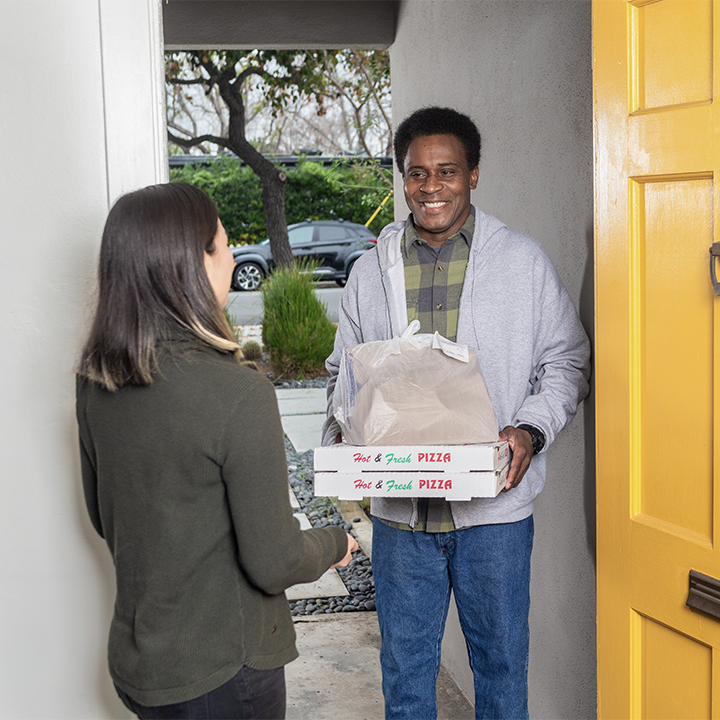
Gig work usually refers to flexible, short-term jobs you get paid for — often through apps or online platforms. Examples generally include rideshares, food or grocery delivery, or dropping off packages. Instead of — or in addition to — a traditional full-time job, people may take on individual tasks or shifts when it works for them.
A person who does this kind of work is often called a gig worker. Many gig workers use their own vehicles to earn income.
These jobs can offer flexibility, which is one reason the gig economy continues to grow. But using your car for work also brings new kinds of insurance questions.
What is a gig worker and why does insurance matter?
If you earn money by driving people, food, groceries or packages, you may be considered a gig worker or gig driver. Since your vehicle helps you earn income, keeping it properly insured could be especially important.
Driving for work may mean:
- More time on the road
- More miles on your car
- Driving in busy areas
- Driving during peak traffic times
- Frequent starts and stops
- Carrying a variety of passengers or deliveries
These added risks could affect what type of auto insurance best fits your needs.
Does personal auto insurance cover gig drivers?
Many people assume their personal policy covers every type of driving. In some cases, that may not be true.
Personal auto insurance is often designed for everyday use, such as commuting, errands and family trips. If you use your vehicle for a gig economy job, business use may be handled differently.
For some drivers, coverage could change automatically when:
- You turn on a rideshare or delivery app.
- You accept a trip or delivery request.
- A paying passenger is in your vehicle.
- Goods are being delivered for pay.
Because policies can differ, gig drivers might choose to review their coverage so they better understand where gaps may exist.
Why coverage gaps can happen
A coverage gap is a time when one policy may not fully apply, while another has not started yet. This can happen in some forms of delivery gig work or rideshare driving.
For example, there may be different coverage stages that happen when:
- The app is off.
- The app is on and waiting for a request.
- A trip or delivery has been accepted.
- A passenger or order is in the car.
Different rules may apply at each stage depending on the insurer, the state where you’re working, and the platform. That’s why many gig economy workers look closely at their options.
Types of coverage available for gig workers
There is no one-size-fits-all solution. Coverage options can vary, but these are common choices some gig workers explore:
Rideshare insurance
This is often an add-on to a personal policy.
It may help bridge certain gaps between personal driving and app-based work.
Commercial auto insurance
Some people who drive often for business may look into commercial coverage. This type of policy is generally built for business vehicle use.
Optional add-ons
Depending on the insurer, extra options may be available, such as:
- Roadside assistance
- Rental reimbursement
- Comprehensive coverage
- Collision coverage
- Higher liability limits
These options may provide added reassurance for some gig employees and independent drivers.
How much auto insurance coverage do gig drivers need?
Coverage needs can depend on many personal factors. There is no single answer for every gig driver.
Some things people consider include:
How often you drive
Drivers working weekends only may have different needs than someone working daily.
Where you drive
City routes may bring different risks than rural roads or suburban neighborhoods.
Your vehicle’s value
A newer or higher-value car may lead some drivers to consider broader physical damage coverage.
Platform requirements
Some gig work platforms may require certain insurance coverage or offer limited coverage during parts of a trip. It can be helpful to review what the platform provides and how it works, since claims may need to be filed through their system if needed.
Your budget and comfort level
Some drivers prefer lower monthly costs, while others may want more encompassing coverage.
What happens if you gig drive, but don’t tell your insurer?
If you use your car for a gig economy job and your insurer doesn’t know, it could create problems later on. Depending on the policy and situation, possibilities include:
- A delayed or denied claim
- Changes to your policy
- Higher out-of-pocket costs after an accident
- Questions about whether coverage applied at the time of the incident
That is why some gig economy workers choose to ask how their driving activity may affect their current policy.
Is insurance for gig drivers worth it?
For many people, the bigger question is not just cost. It is whether coverage could help if something unexpected happens.
If your car helps you earn income, a claim, repair bill or liability cost could be more than just an inconvenience. It may affect your ability to keep working.
Some drivers find added protection worth exploring because:
- Coverage gaps can be real.
- Extra coverage may be more affordable than expected.
- Even a single accident can be costly.
- Confidence on the road matters.
Final thoughts for gig workers
Whether you are new to the gig economy, exploring what a gig worker is or already active on several gig work platforms, it may help to understand how your vehicle use is related to your insurance.
If your car is important to your livelihood or you recently started driving as a side hustle, it could be worth reviewing your current auto insurance and understanding any gaps you may be responsible for. Learn more about options available through the TruStage® Auto Insurance Program.